
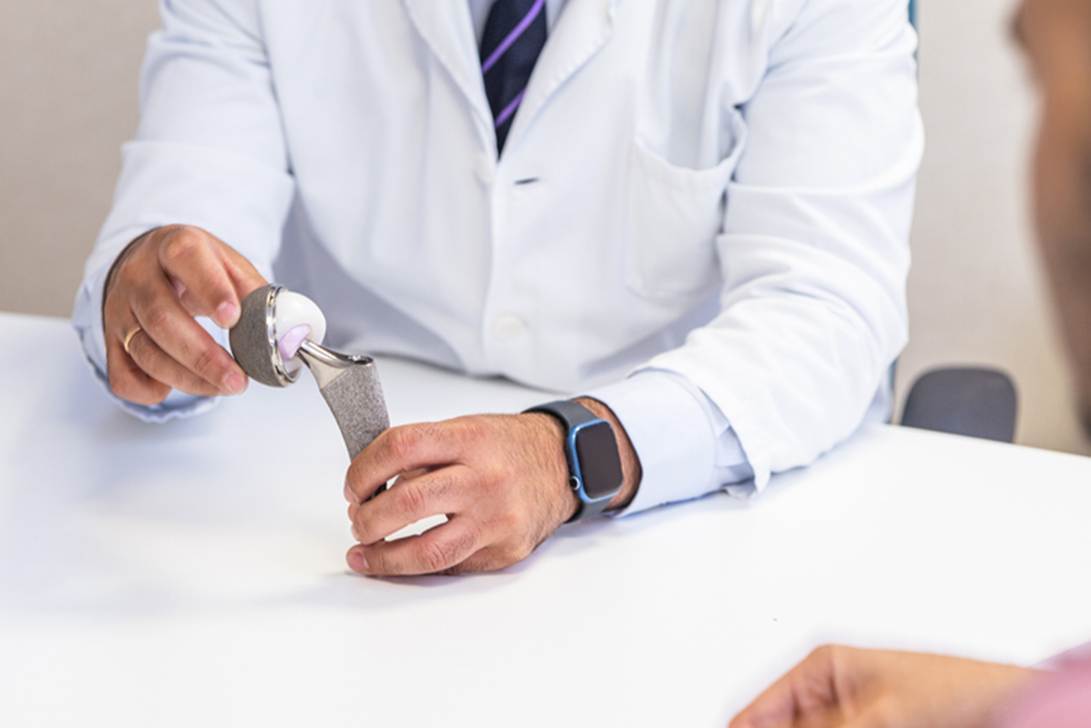
Medical devices are meant to improve the health and quality of life of patients, but when these devices are defectively designed, manufactured, or marketed, they can cause severe harm. From faulty pacemakers to defective hip implants, injuries caused by unsafe medical devices are unfortunately common. If you or a loved one has been injured by a medical device in New York, understanding your legal rights is crucial to holding the responsible parties accountable.
In this blog, we will explain the process of suing for injuries caused by unsafe medical devices, including the types of legal claims you can make and how to pursue compensation for your injuries.
1. What Is a Medical Device?
A medical device is any instrument, apparatus, or machine used for medical purposes. Examples include:
- Implants: Hip replacements, knee implants, breast implants, etc.
- Surgical Instruments: Scalpels, forceps, and other surgical tools.
- Diagnostic Devices: X-ray machines, MRI machines, and thermometers.
- Implantable Devices: Pacemakers, defibrillators, and insulin pumps.
- Assistive Devices: Wheelchairs, prosthetics, and hearing aids.
While most medical devices are safe and effective, some can cause serious harm if they malfunction or if there is an issue with their design or manufacturing.
2. Types of Injuries Caused by Unsafe Medical Devices
Injuries caused by unsafe medical devices can range from mild to life-threatening. Some common types of injuries include:
- Infections: Surgical implants or devices can cause infections if they are not properly sterilized.
- Device Failure: Medical devices that malfunction or fail, such as a pacemaker that stops working, can have serious consequences.
- Tissue Damage: Implantable devices that cause irritation or damage to surrounding tissue or organs.
- Chronic Pain: Devices that were improperly fitted, such as hip or knee implants, can cause ongoing pain or require additional surgery to correct.
- Nerve Damage: Devices that interact with nerves, like spinal implants, can result in nerve damage or paralysis.
- Allergic Reactions: Some patients may experience severe allergic reactions to materials used in medical devices, such as metal or latex.
If you’ve experienced any of these injuries, it’s important to consult with a lawyer to determine if you have a case for medical device injury.
3. Legal Claims You Can Make in a Medical Device Injury Lawsuit
If you have been injured by a medical device in New York, you may be able to file a product liability lawsuit. There are several types of claims you can pursue, depending on the circumstances of the injury:
a) Defective Design
If a medical device is inherently dangerous due to its design, you may have grounds for a defective design claim. This means that the device was poorly conceived from the outset, even if it was manufactured correctly. For example, a faulty design might cause a hip implant to fail or a pacemaker to malfunction.
b) Defective Manufacturing
A defective manufacturing claim arises when a device is improperly made, resulting in harm to the patient. This could include issues such as contamination, improper assembly, or the use of inferior materials. For instance, if a batch of pacemakers was produced with a faulty component, all devices in that batch might be deemed defective.
c) Failure to Warn (Marketing Defects)
Medical device manufacturers are legally required to provide adequate warnings about potential risks or side effects associated with their devices. If a manufacturer fails to adequately inform patients and healthcare providers about the risks, they can be held liable. This might include failing to disclose known complications or risks from the device.
d) Breach of Warranty
A manufacturer’s warranty ensures that their product will perform as expected. If a medical device fails to meet those expectations, it may be considered a breach of warranty. For instance, if a hip implant was marketed as lasting for 20 years but fails after just a few months, you may have a breach of warranty claim.
4. How to Pursue a Lawsuit for Injuries Caused by Unsafe Medical Devices in New York
If you’ve been injured by a medical device, here are the general steps you should take to pursue a lawsuit in New York:
a) Consult with an Experienced Product Liability Lawyer
The first step is to consult with a lawyer who specializes in product liability or personal injury law. Medical device injury cases are complex, and an experienced attorney can help you navigate the process, gather evidence, and determine the strength of your case.
b) Document Your Injuries and Medical Records
Your attorney will help you gather important documentation, such as medical records, diagnostic reports, and photographs of your injuries. This information is critical in proving that the medical device caused harm and that you were following the proper medical procedures.
c) Investigate the Device’s Manufacturing History
A key part of any medical device injury claim is understanding the history of the device. This includes the design and manufacturing process, as well as any recalls or warnings issued by the manufacturer. Your attorney will work with experts to investigate the device’s safety record and establish that the injury was caused by a defect.
d) File a Product Liability Lawsuit
Once all the necessary information has been gathered, your attorney will file a product liability lawsuit against the manufacturer, distributor, or seller of the defective medical device. Depending on the facts of the case, the lawsuit may involve claims for design defects, manufacturing defects, or failure to warn.
e) Seek Compensation for Your Injuries
If your lawsuit is successful, you may be entitled to compensation for:
- Medical Expenses: Costs for surgeries, treatments, medications, and rehabilitation.
- Pain and Suffering: Compensation for the physical pain and emotional distress caused by your injury.
- Lost Wages: If your injury has caused you to miss work or has affected your ability to earn a living, you may be entitled to compensation for lost wages.
- Future Medical Costs: If your injury requires ongoing treatment, you can seek compensation for future medical expenses.
5. Statute of Limitations for Medical Device Injury Lawsuits in New York
In New York, the statute of limitations for filing a product liability lawsuit, including medical device injury claims, is typically three years from the date of the injury. However, in cases where the injury is not immediately discovered, the statute of limitations may begin at the time the injury is discovered or should have reasonably been discovered. It is important to contact a lawyer as soon as possible to ensure you don’t miss any deadlines.
6. Why You Need an Experienced Lawyer for Your Medical Device Injury Case
Medical device injury cases are highly complex and require extensive knowledge of both product liability law and the medical device industry. Working with an experienced attorney can greatly improve your chances of securing the compensation you deserve.
At Alan Ripka & Associates, we have a proven track record of handling medical device injury cases and helping clients recover compensation for their injuries. Our team of dedicated attorneys will work tirelessly to investigate the circumstances of your case and pursue justice on your behalf.
Conclusion
If you or a loved one has been injured by a defective or unsafe medical device, it is important to understand your legal rights. Filing a product liability lawsuit can help you recover compensation for medical expenses, pain, and suffering, and other damages caused by the device.
At Alan Ripka & Associates, we are committed to helping clients hold manufacturers accountable for unsafe medical devices. Contact us today for a free consultation and learn how we can help you pursue your claim.

