
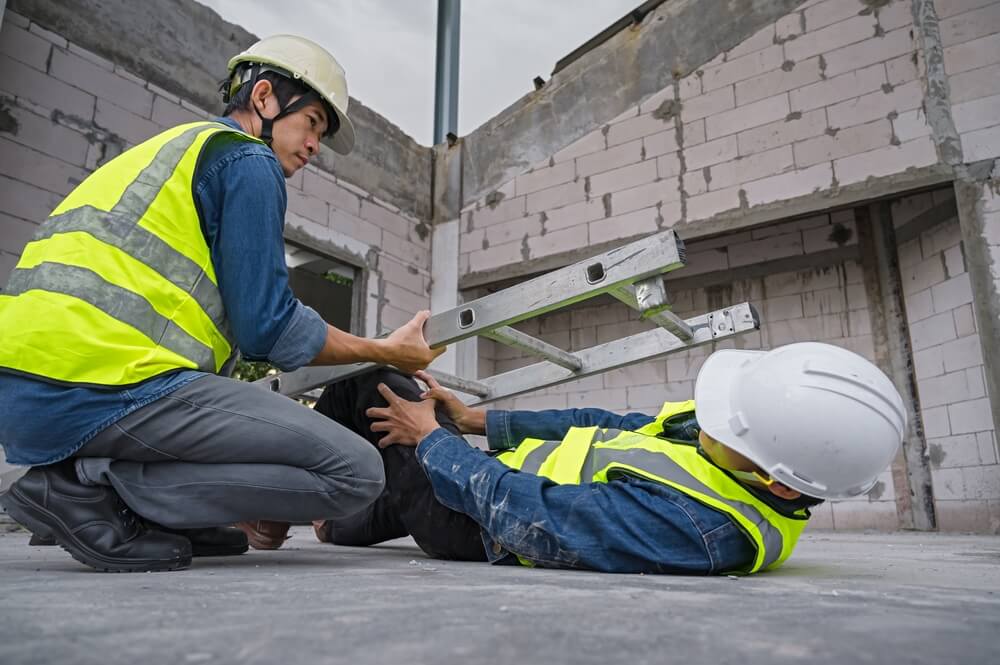
Construction sites are inherently dangerous, and workers are at risk of serious accidents every day. However, construction zones can also pose risks to bystanders—those who are not working at the site but may still be injured due to unsafe conditions or negligence. Whether you were simply passing by or visiting someone at the site, if you were hurt by falling debris, equipment malfunctions, or other hazards, you may be wondering if you have legal recourse.
In New York, as a bystander, you have the right to pursue a personal injury claim if you are injured on a construction site due to negligence. Here’s what you need to know about your legal options.
1. Understand the Risks of Construction Sites
Construction sites are full of potential hazards, including:
- Falling objects (tools, debris, building materials)
- Malfunctioning machinery and equipment
- Unstable scaffolding or structures
- Poorly marked hazardous areas
- Uneven surfaces or open trenches
These hazards can endanger workers, but they can also pose a significant risk to bystanders who are near the site. If you were injured while in the vicinity of a construction zone, you may have grounds for a claim.
2. Duty of Care by Property Owners and Contractors
In New York, property owners and contractors are required to take steps to ensure the safety of anyone near a construction site, not just workers. This includes:
- Securing the area to prevent unauthorized access
- Ensuring that debris or construction materials do not fall or spill into public areas
- Providing adequate signage and barriers to protect pedestrians
- Regularly inspecting and maintaining equipment used on the site
If a property owner or contractor failed to meet these obligations, they may be held liable for any injuries that result.
3. Negligence and Liability
To hold a property owner or contractor liable for your injuries, you’ll need to prove negligence. In other words, you must demonstrate that the property owner or contractor failed to take reasonable precautions to prevent harm to bystanders. Some common examples of negligence include:
- Failing to properly secure tools, materials, or equipment
- Not providing adequate safety barriers or warnings to protect pedestrians
- Allowing hazardous conditions, such as loose scaffolding or unsafe walkways, to exist without taking action to fix them
If negligence can be proven, you may be entitled to compensation for your injuries.
4. Third-Party Liability
In some cases, a third party may be responsible for your injuries. For example, if an equipment manufacturer’s defect caused an accident, or if an employee’s actions led to your injury, you may be able to pursue a claim against the responsible party. This is often referred to as “third-party liability.”
5. Workers’ Compensation Doesn’t Apply to Bystanders
While workers’ compensation benefits are available to injured construction workers, they do not apply to bystanders. As a non-worker injured at a construction site, you cannot file a workers’ compensation claim. However, you do have the right to pursue a traditional personal injury claim against the responsible parties, such as the property owner, contractor, or third-party suppliers.
6. Document the Scene and Your Injuries
If you are able to, it’s important to gather evidence at the scene of the accident. This can include:
- Taking photos or video of the hazardous condition that led to your injury (e.g., falling debris, broken equipment, inadequate signage)
- Collecting witness contact information
- Documenting your injuries with photos
- Obtaining the names and contact information of any involved contractors or property owners
This evidence will help substantiate your claim and prove the cause of the accident.
7. Consult a Personal Injury Attorney
Construction site injury claims can be complex, especially when you are a bystander. It’s essential to have an experienced personal injury attorney who understands construction site liability. A lawyer can help you:
- Investigate the cause of the accident
- Gather the necessary evidence and witnesses
- Determine which parties are responsible for your injuries
- Handle communications with insurance companies and contractors
- Represent you in court if needed to ensure you receive the compensation you deserve
At Alan Ripka & Associates, we have experience handling construction site injury claims and can help you pursue justice if you were injured as a bystander.
8. What Compensation Can You Recover?
If you’ve been injured on a construction site as a bystander, you may be entitled to compensation for:
- Medical expenses (both current and future)
- Lost wages (if your injury prevents you from working)
- Pain and suffering
- Emotional distress
- Property damage (e.g., damaged personal items)
Your attorney will help assess the full extent of your damages and pursue a settlement or trial to recover the maximum compensation available.
9. Statute of Limitations for Construction Site Injury Claims
In New York, the statute of limitations for filing a personal injury lawsuit is generally three years from the date of the accident. However, if the injury involves a city or state construction project, special rules may apply, and a notice of claim must be filed within 90 days. Make sure to consult an attorney as soon as possible to protect your legal rights.
Conclusion
Being injured as a bystander at a construction site in New York can result in significant physical, emotional, and financial hardship. You may be entitled to compensation if the injury was caused by the negligence of the property owner, contractor, or other responsible parties.
At Alan Ripka & Associates, we are dedicated to helping victims of construction site accidents seek justice and recover the compensation they deserve. Contact us today for a free consultation and take the first step toward getting the help you need.

